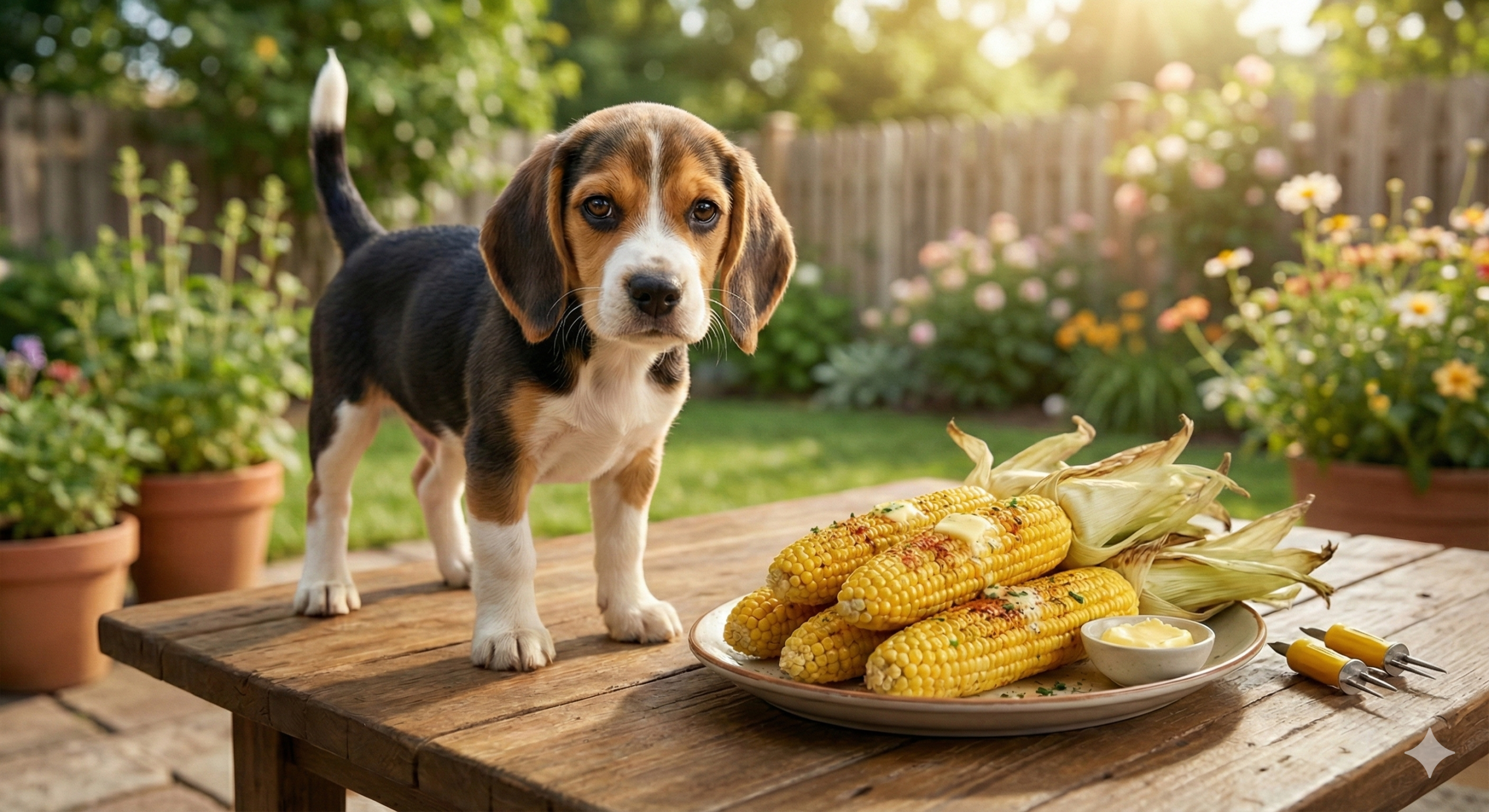
If you’ve ever had a barbecue or enjoyed fresh summer sweetcorn, chances are your dog was right there beside you, eyes wide and tail wagging. We all want to share our favourite treats with our dogs, but some foods can be trickier than others. Corn on the cob is a staple in many of our kitchens, so it’s natural to wonder, is corn on the cob safe for dogs? Knowing what’s healthy, what’s a potential choking hazard, and what’s truly toxic is part of being a responsible dog parent. Let’s dig into the facts, expert advice, and our own experience when it comes to feeding corn on the cob to dogs.
Nutritional Value of Corn for Dogs
Corn itself actually isn’t inherently bad for dogs. It’s found in many commercial dog foods and provides a decent source of carbohydrates, some protein, and dietary fibre. Corn also contains essential fatty acids, antioxidants, and a handful of vitamins such as B vitamins and vitamin C. According to the American Kennel Club, cooked, plain corn kernels can be a healthy treat for most dogs in moderation, just not the cob.
Let’s keep in mind, though, that while corn is non-toxic, it isn’t a nutritional powerhouse for dogs the way it might be for us. While dogs can digest and metabolise cooked corn kernels, corn should only ever make up a small fraction of their diet. It’s best offered as an occasional treat rather than a dietary mainstay.
Key Points:
- Corn provides carbs, fibre, and some vitamins
- Dogs can eat corn in moderation (without the cob.)
- Corn is commonly used in dog foods, but it’s not essential
Risks of Feeding Corn on the Cob to Dogs
Here’s where things get serious: the cob itself is the issue. While we might think a gnawed-on cob is harmless, for dogs, it poses significant risks.
Main Dangers:
- Choking hazard: Cobs are just the right size and texture to get stuck in a dog’s throat, especially in medium or large breeds.
- Intestinal blockage: Even if swallowed, corn cobs don’t break down in the stomach or intestines. This can lead to a dangerous (and sometimes fatal) bowel obstruction.
- Gastrointestinal irritation: Beyond blockages, bits of cob can irritate a dog’s digestive tract, causing pain and distress.
Veterinarians regularly warn against letting dogs chew on corn cobs. The PDSA and Blue Cross UK caution that even small pieces can cause problems. Dogs are notorious for gulping down food rapidly, something many of us have witnessed at least once. Just because a dog manages to chew a cob doesn’t mean it won’t end up causing a blockage later on.
Signs of Corn on the Cob Ingestion and Potential Health Issues
Recognising the signs of corn cob ingestion early is crucial. Unfortunately, the symptoms don’t always show up right away, and complications can develop over hours or even days after consumption.
Common Signs of Corn Cob Obstruction:
- Vomiting or gagging
- Loss of appetite
- Abdominal pain or swelling
- Lethargy
- Straining to defecate or diarrhoea
If a dog has a corn cob stuck somewhere in their digestive tract, they may also pace, become restless, or whine due to discomfort. Bowel obstructions are a veterinary emergency and can lead to severe complications if not treated promptly. A study in the Journal of Small Animal Practice lists foreign body obstructions, including corn cobs, as one of the most common reasons for emergency abdominal surgery in dogs.
Our Experience
We once fostered a Labrador who managed to swipe a whole cob from a picnic table in seconds, a classic Labrador move. Within hours, he started vomiting and seemed noticeably uncomfortable. We took him straight to the emergency vet, where an x-ray confirmed a partial blockage. The cob needed to be removed surgically, but he made a full recovery thanks to quick action. Trust us: the risk is real.
Safe Ways to Offer Corn to Your Dog
So, is all corn off the menu? Not necessarily. Plain, cooked corn kernels (taken off the cob) are safe for most dogs in small quantities. Skip the butter, salt, and seasonings, they’re not canine-friendly.
How to Offer Corn Safely:
- Remove all kernels from the cob before serving
- Offer only a spoonful or two as a treat, not a meal
- Keep the treat plain and cooked, never raw or heavily seasoned
- Always supervise your dog when trying new foods
| Food Form | Toxicity | Recommended Amount | Common Symptoms if Problematic | Safe Alternative? |
|---|---|---|---|---|
| Whole cob | High risk | NONE | Choking, blockage, severe GI distress | NEVER |
| Plain kernels | Low risk | Small amounts (1–2 tbsp) | Mild GI upset if overfed | Yes |
| Seasoned corn | Medium risk | Avoid, due to salt, butter, spices | GI upset, pancreatitis | Stick to plain |
| Canned corn | Variable | Occasionally, drain well | Watch for added salt/sugar | Only in moderation |
Remember: A little plain corn sometimes is fine, but never let your dog have access to corn cobs, whether fresh or used.
What to Do If Your Dog Eats Corn on the Cob
Even the most vigilant among us can have a slip-up. If you suspect your dog has eaten, chewed, or swallowed part (or all) of a corn cob, here’s what to do:
- Don’t wait and see. Call your vet immediately, even if your dog seems normal.
- Don’t induce vomiting unless explicitly told to by your vet. Some objects can make things worse if brought back up.
- Watch for symptoms (see above). Abdominal pain, vomiting, or changes in behaviour are red flags.
- Be honest with your vet about how much was eaten and when, it helps them respond quickly.
Prompt treatment can make all the difference. Blockages caused by corn cobs almost always need surgical removal or other veterinary intervention. The sooner a vet can assess your dog, the better the outcome.
Conclusion
In the end, while corn itself is not toxic to dogs, corn on the cob is a major hazard and best kept off-limits. We love treating our dogs, but it’s up to us to make safe, informed choices. If you want to give your dog a taste of summer, opt for a spoonful of plain, cooked corn off the cob, or even try air-dried corn-based dog treats made just for pups (like these). For a safer crunch, consider:
- Carrot sticks: Naturally sweet, low in calories, and great for chewing.
- Frozen green beans: Crunchy, hydrating, and dog-safe.
- Sweet potato chews: Easy to make at home and packed with fibre.
Most importantly, let’s keep corn cobs safely out of reach. Little changes can make all the difference in keeping our dogs healthy, happy, and wagging for years to come.
Key Takeaways
- Dogs can safely eat plain, cooked corn kernels in moderation, but never corn on the cob.
- Corn on the cob poses a major choking and blockage risk for dogs and should always be kept out of reach.
- If a dog eats corn on the cob, seek immediate veterinary advice as bowel obstruction can be life-threatening.
- Instead of corn on the cob, offer dog-friendly alternatives like carrot sticks or plain green beans as treats.
- Monitor dogs closely around barbecues and picnics to prevent accidental ingestion of dangerous foods like corn cobs.
Frequently Asked Questions About Dogs and Corn on the Cob
Can dogs eat corn on the cob?
No, dogs should never eat corn on the cob. While corn itself is safe in small amounts, the cob poses a serious choking risk and can cause intestinal blockages, which may require emergency surgery.
Is plain corn safe for dogs to eat?
Yes, plain cooked corn kernels (without the cob) can be safely given to dogs as an occasional treat. They provide some carbohydrates, fibre, and vitamins, but should only be offered in moderation and never as a main part of their diet.
What should I do if my dog eats corn on the cob?
If your dog eats any part of a corn cob, contact your vet immediately. Do not try to induce vomiting unless directed by your vet. Monitor your dog closely for signs such as vomiting, abdominal pain, or loss of appetite.
Why is corn on the cob dangerous for dogs?
Corn on the cob is dangerous because the cob can easily lodge in a dog’s throat or intestines, causing choking or a life-threatening blockage. The cob does not break down in a dog’s digestive system, requiring urgent veterinary attention if ingested.
Are there safe alternatives to corn on the cob for dogs?
Yes, safe alternatives include small amounts of plain cooked corn kernels, carrot sticks, frozen green beans, or sweet potato chews. Always avoid giving dogs seasoned, canned with added salt, or processed corn snacks.
How common are corn cob blockages in dogs?
Corn cob blockages are a common reason for emergency veterinary surgery in dogs, especially during summer months when barbecues are popular. Dogs are often tempted by leftover cobs, making it essential to keep them out of reach.